Enhance your Skills
Advance your Career

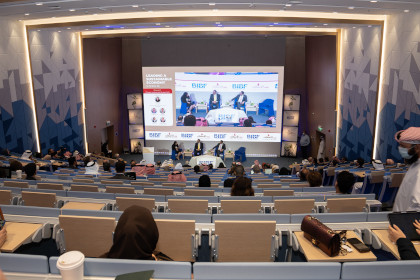
In response to the ever-evolving role of technology in shaping the future of industries globally, and a particular demand for FinTech education in one of its most established markets – Bahrain – Strathclyde Business School and its partner, Bahrain Institute of Banking and Finance (BIBF) has introduced an MSc Financial Technology (FinTech), fully delivered in Bahrain on a part-time basis.
This new Masters degree will bolster Bahrain’s position as a leading FinTech hub in the region, and offer ambitious individuals the opportunity to gain a cutting edge qualification, delivered by Strathclyde academics, without having to take a year out to complete studies. The intensive two year programme will offer students a rigorous core academic curriculum combined with the entrepreneurial and innovative elements of the “FinTech Revolution”. It includes a selection of financial methods, programming, data analytics and regulations and technology, with a particular emphasis on how these different subject areas come together to create new financial services and products.
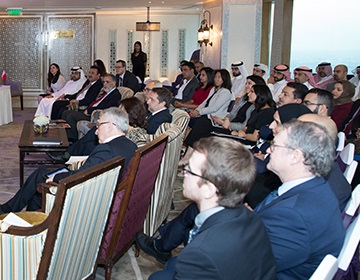
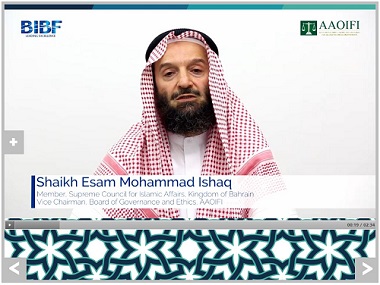
The e-Learning Platform presents the AAOIFI Shariah Standards through video tutorials for each standard with summarised explanations, animated case studies and self-assessments quizzes.
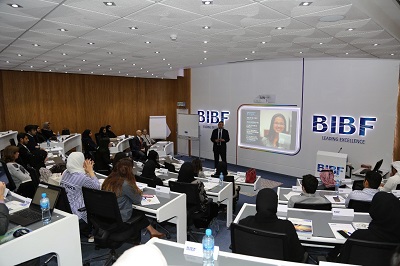
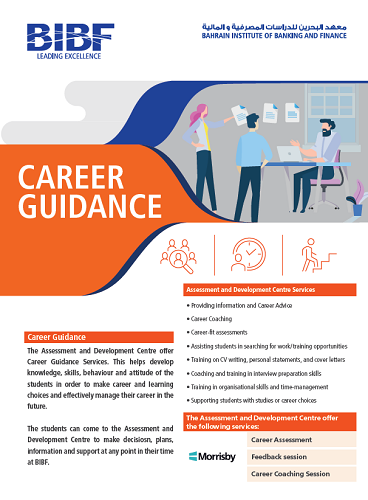
The Assessment and Development Centre offer Career Guidance Services. This helps develop knowledge, skills, behavior and attitude of the students in order to make career and learning choices and effectively manage their career in the future.
The students can come to the Assessment and Development Centre to make decisions, plans, information and support at any point in their time at BIBF.
The Anti-money laundering e-learning courses are part of a strategic initiative to elevate the awareness among non-financial professionals, ensuring that they are well-equipped to shield their sectors from potential threats posed by money laundering and terrorist financing. This bolsters our Kingdome of Bahrain commitment to combating such crimes and aligns us more closely with the FATF recommendations.
Through the courses, professionals will gain a deep understanding of the risks associated with money laundering and terrorist financing. Moreover, emphasize the crucial regulatory measures that all companies and institutions should be aware of, ensuring they are always on the right side of the law.

New Beginnings
Our new building means new beginnings for the BIBF.
Become a part of it today.